
Why Does My AC Make a Loud Banging Noise When It Turns On?
If your air conditioner makes a loud banging sound when it turns on, the noise may be coming from expanding ductwork, a loose or damaged fan component, the indoor blower assembly, or the outdoor compressor. A soft click, brief hum, or rush of air can be normal when an AC starts. A repeated bang, clank, heavy rattle, or unusually loud buzz is different and should not be ignored.
The safest next step depends on where the sound is coming from and what happens immediately afterward. If the system keeps cooling normally and the sound seems to come from the ductwork, the problem may be related to air pressure or sheet-metal expansion. If the noise comes from the outdoor unit, electrical compartment, fan, or compressor, professional AC service is usually the better choice.
Is a Loud Noise When the AC Starts Normal?
Air conditioners are not completely silent. You may hear the thermostat click, the outdoor unit start, the blower come on, or air begin moving through the registers. These short startup sounds are generally expected.
What is not normal is a new or worsening banging, clanking, grinding, screeching, or strong electrical buzzing sound. Those noises can indicate a mechanical or electrical problem that may worsen if the system continues to run.
Common Reasons an AC Bangs When It Turns On
1. Ductwork Expands When Air Pressure Changes
A bang or pop that seems to come from a wall, ceiling, or supply duct can happen when sheet-metal ductwork flexes as the blower starts or stops. This is sometimes described as duct popping or oil-canning. It can be more noticeable when airflow is restricted, duct sections are undersized, or the metal is not adequately supported.
Start by checking whether supply and return registers are open and whether the air filter is dirty. If the banging continues, an HVAC technician can evaluate airflow, static pressure, duct sizing, and support to determine whether the noise is a duct issue or a symptom of a larger airflow problem.
2. A Loose Fan Blade, Panel, or Mechanical Part Is Rattling
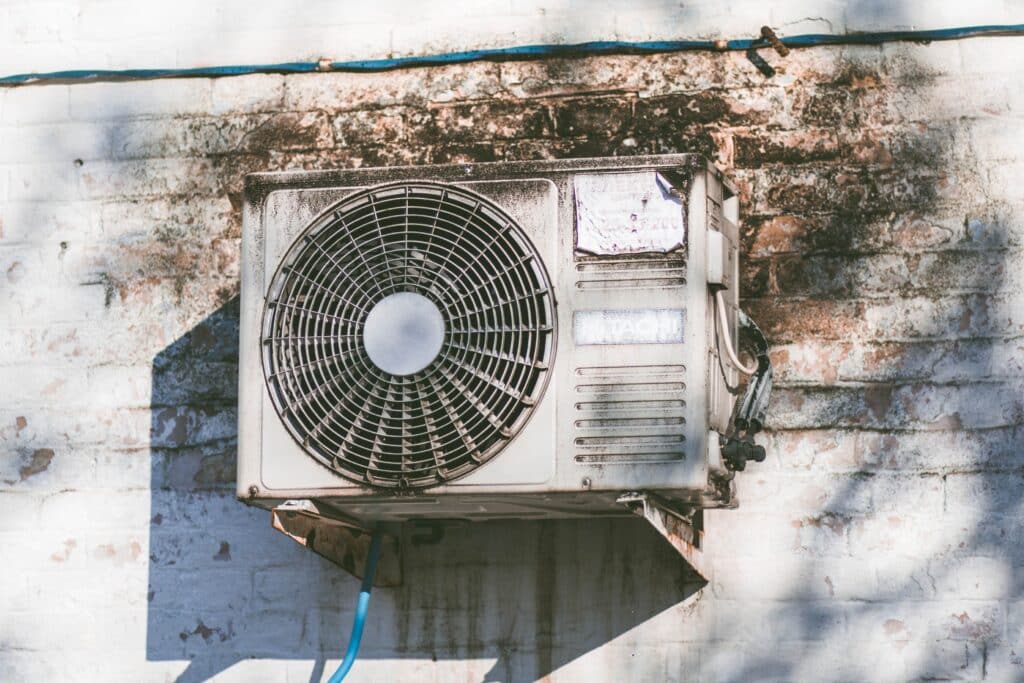
A loose panel, fan component, or mounting point can create a rattle that becomes a bang when the fan or compressor starts. Debris around the outdoor condenser can also contribute to unusual vibration.
With the system turned off, homeowners can safely look for obvious debris around the outside of the unit and make sure nothing is leaning against the cabinet. Do not reach into the fan area or remove electrical access panels. If the noise is inside the cabinet, schedule service so the moving parts can be inspected safely.
3. The Indoor Blower Wheel or Motor Has a Problem
When the sound comes from the furnace or indoor air handler, the blower assembly may be the source. A loose blower wheel, worn motor bearing, damaged mount, or accumulated debris can create thumping, rattling, scraping, or vibration when the blower starts.
Because the blower is a powered moving assembly, internal inspection is best left to a technician. Continuing to run a severely vibrating blower can lead to additional wear and may reduce airflow throughout the home.
4. The Outdoor Compressor Is Starting Hard or Has Internal Damage
The compressor is one of the major components in the outdoor AC unit. A loud clunk, bang, or heavy vibration at startup can sometimes point to a compressor problem or a component that helps the compressor start. Compressor problems should be diagnosed promptly because they can become expensive if the unit is allowed to keep operating under abnormal conditions.
5. An Electrical Component Is Buzzing or Clicking
Loud buzzing, repeated clicking, or chattering at startup can be related to a contactor, capacitor, motor, or another electrical component. A faint electrical hum can be normal, but a new, loud, or persistent buzz should be taken seriously.
If you smell burning, see smoke, notice a tripped breaker, or hear strong electrical arcing or buzzing, turn the cooling system off and contact a qualified HVAC professional. Do not open the electrical compartment to troubleshoot energized components.
6. Refrigerant Lines or Tubing Are Vibrating
Refrigerant lines can vibrate as the compressor starts. If tubing is touching the cabinet, framing, or another hard surface, that vibration may be amplified into a rattle or knocking sound. A technician can identify the contact point and correct the support or isolation without damaging the refrigerant circuit.
What Different AC Noises Can Mean
| Noise / location | Possible cause | Best next step |
|---|---|---|
| Bang or pop in walls/ceiling | Duct expansion, airflow restriction or static-pressure issue | Check filter and open registers; if it continues, schedule duct/airflow evaluation |
| Clank or rattle from outdoor unit | Loose panel, fan component, debris or compressor vibration | Turn system off if severe; schedule AC inspection |
| Rattle from furnace/air handler | Blower wheel, motor, mount or loose internal component | Professional inspection |
| Loud buzzing or repeated clicking | Capacitor, contactor, motor or electrical issue | Turn off system if abnormal and schedule service |
| Hissing or bubbling | Possible refrigerant or pressure-related issue | Professional diagnosis; do not open the refrigerant circuit |
| Screeching or grinding | Motor, bearing or moving-part failure | Turn off the AC and arrange repair |
What You Can Safely Check Before Calling for AC Repair
A few simple observations can help narrow down the problem without opening the equipment:
- Replace or clean a visibly dirty HVAC filter using the size and type recommended for your system.
- Confirm that supply registers and return-air grilles are not blocked by furniture, rugs, or stored items.
- Look around the outdoor unit for leaves, branches, or objects touching the cabinet. Keep the area around the condenser clear.
- Listen from a safe distance and note whether the sound comes from the outdoor condenser, indoor air handler, or ductwork.
- Note whether the noise occurs only at startup, only at shutdown, or throughout the cooling cycle.
- Check whether cooling performance has changed, such as weaker airflow, warm air, short cycling, or longer run times.
Avoid removing electrical panels, reaching into the fan area, opening refrigerant lines, or attempting to test capacitors and high-voltage components unless you are properly trained and qualified.
When Should You Turn the AC Off?
Turn the system off and arrange professional service if the noise is very loud, suddenly worse, or accompanied by any of the following:
- Burning or electrical odors
- Smoke or visible sparking
- Repeated breaker trips
- Grinding, screeching, or metal-on-metal sounds
- Strong compressor banging or severe outdoor-unit vibration
- Loss of cooling, frozen coils, or repeated short cycling
- Hissing with signs of a refrigerant problem
Manufacturers also advise that loud, unusual banging, squealing, clanging, or similar noises can be signs that the system needs repair. Shutting the equipment down can help prevent a minor mechanical problem from turning into a larger failure.
How Regular AC Maintenance Can Help Prevent Noisy Operation
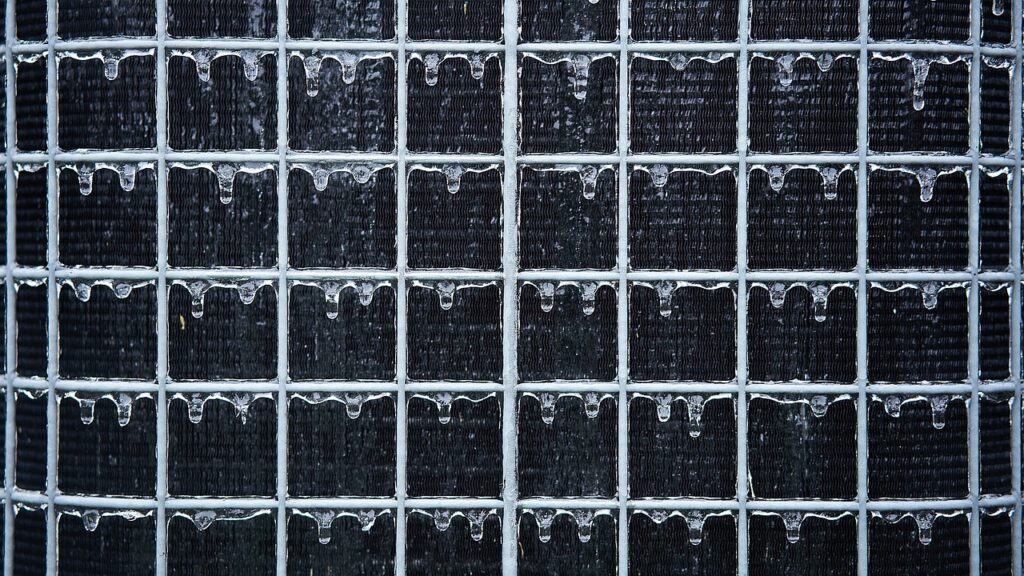
Seasonal maintenance gives a technician an opportunity to inspect the fan motor and blade, electrical components, compressor operation, coils, refrigerant operating pressures, air filter, condensate system, and other components before small issues become loud failures.
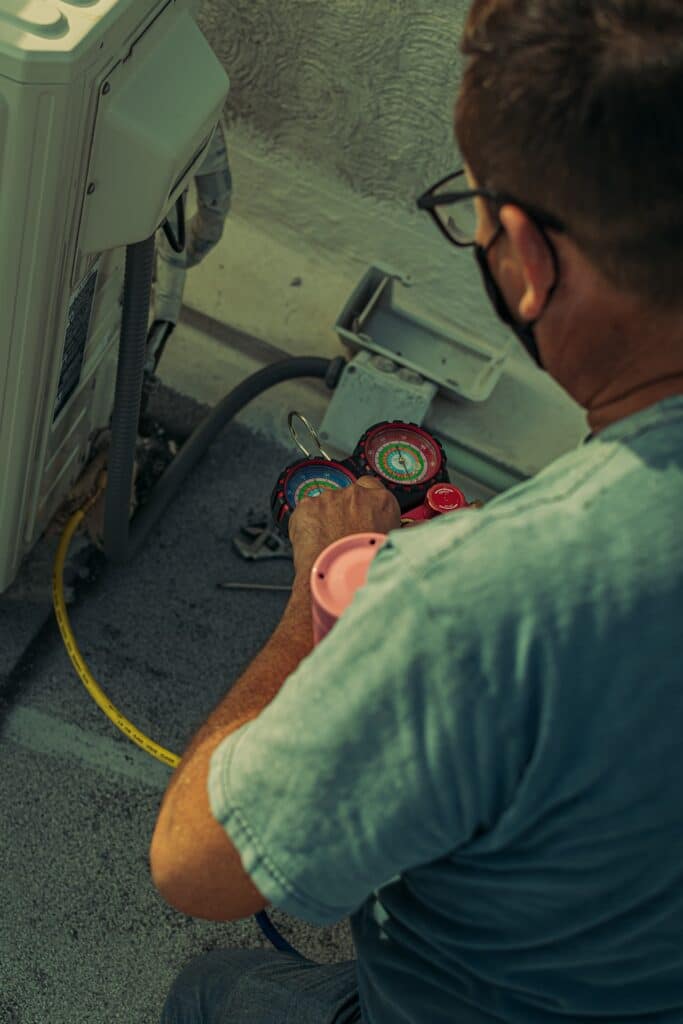
AirAce’s Maintenance PlanPro includes inspection of the outdoor fan motor and blade, electrical components, compressor amperage, safety controls, refrigerant operating pressures, indoor evaporator coil, outdoor condenser coil, and system air filter.
Need Help Diagnosing a Loud AC in Central Illinois?
If your AC is banging, rattling, buzzing, or making another unusual sound, AirAce Heating & Cooling can inspect the system and identify the source. Our team provides air conditioning repair and installation in East Peoria and serves homeowners throughout the Central Illinois area. Addressing the noise early can help protect the system and restore dependable cooling.
Frequently Asked Questions
Why does my AC bang once when it starts?
A single bang can come from ductwork flexing as airflow starts, but it can also come from a loose component or the outdoor unit. If the sound is new, very loud, or getting worse, have the system inspected rather than assuming it is normal.
Is it safe to run an AC that makes a loud banging noise?
It depends on the cause, but a loud or repeated mechanical bang should not be ignored. If the sound comes from the compressor, fan, blower, or electrical components, shut the system off and arrange professional service.
Can ductwork cause a banging sound when the AC turns on?
Yes. Sheet-metal ducts can flex or pop when blower pressure changes, especially when airflow is restricted or the ductwork is not properly sized or supported.
What does a failing AC compressor sound like?
Possible compressor-related noises include loud clanking, banging, hard-start sounds, or severe vibration. Noise alone cannot confirm compressor failure, so a technician should diagnose the system before parts are replaced.
Why does my AC bang when it shuts off?
A shutdown bang can come from ductwork relaxing after airflow stops or from a mechanical component coming to rest. If the sound is severe or comes from the outdoor unit or blower assembly, schedule an inspection.